Words by Flora Macdonald Johnston
There are viral moments, and then there are cultural ruptures.
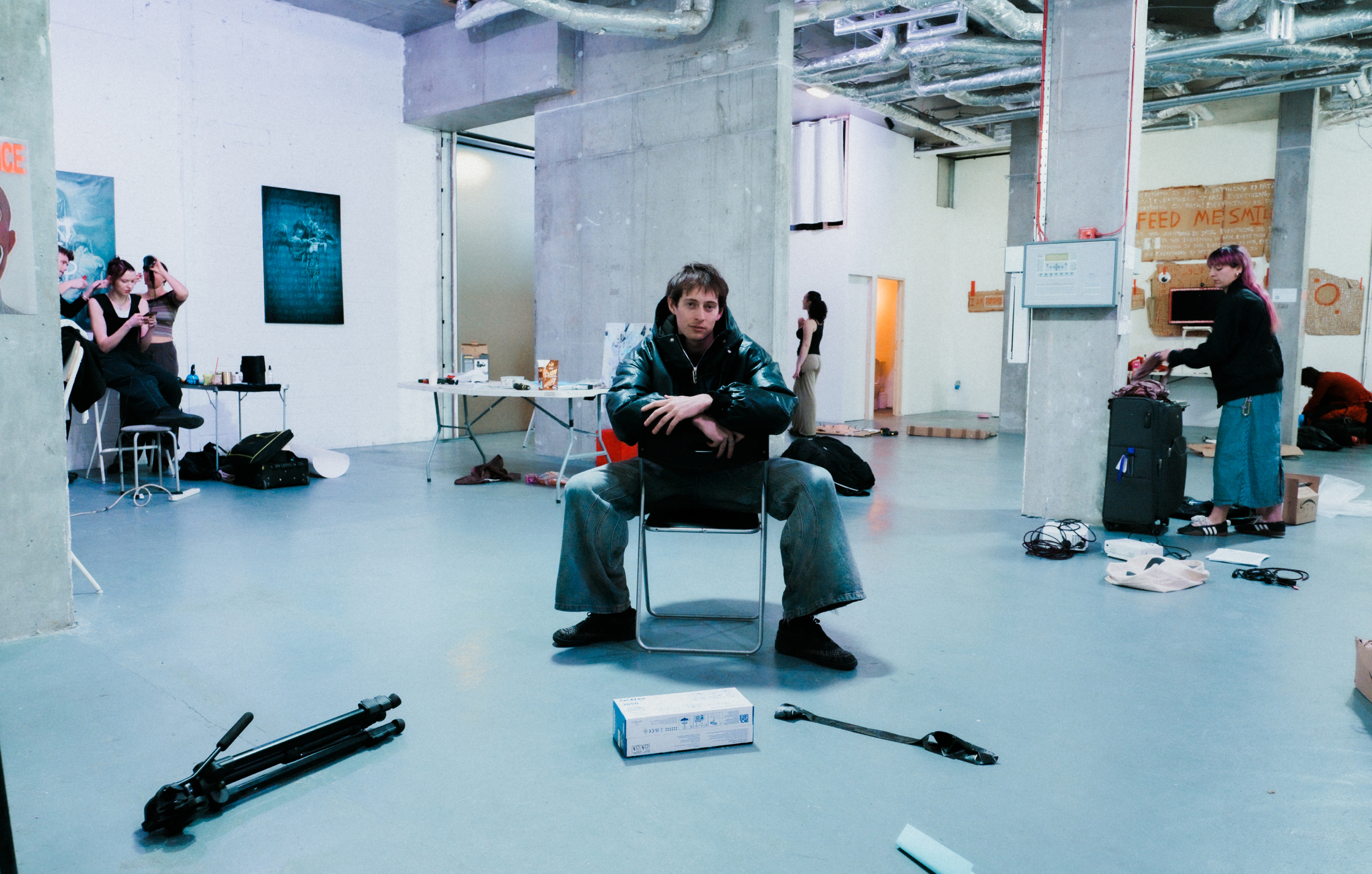
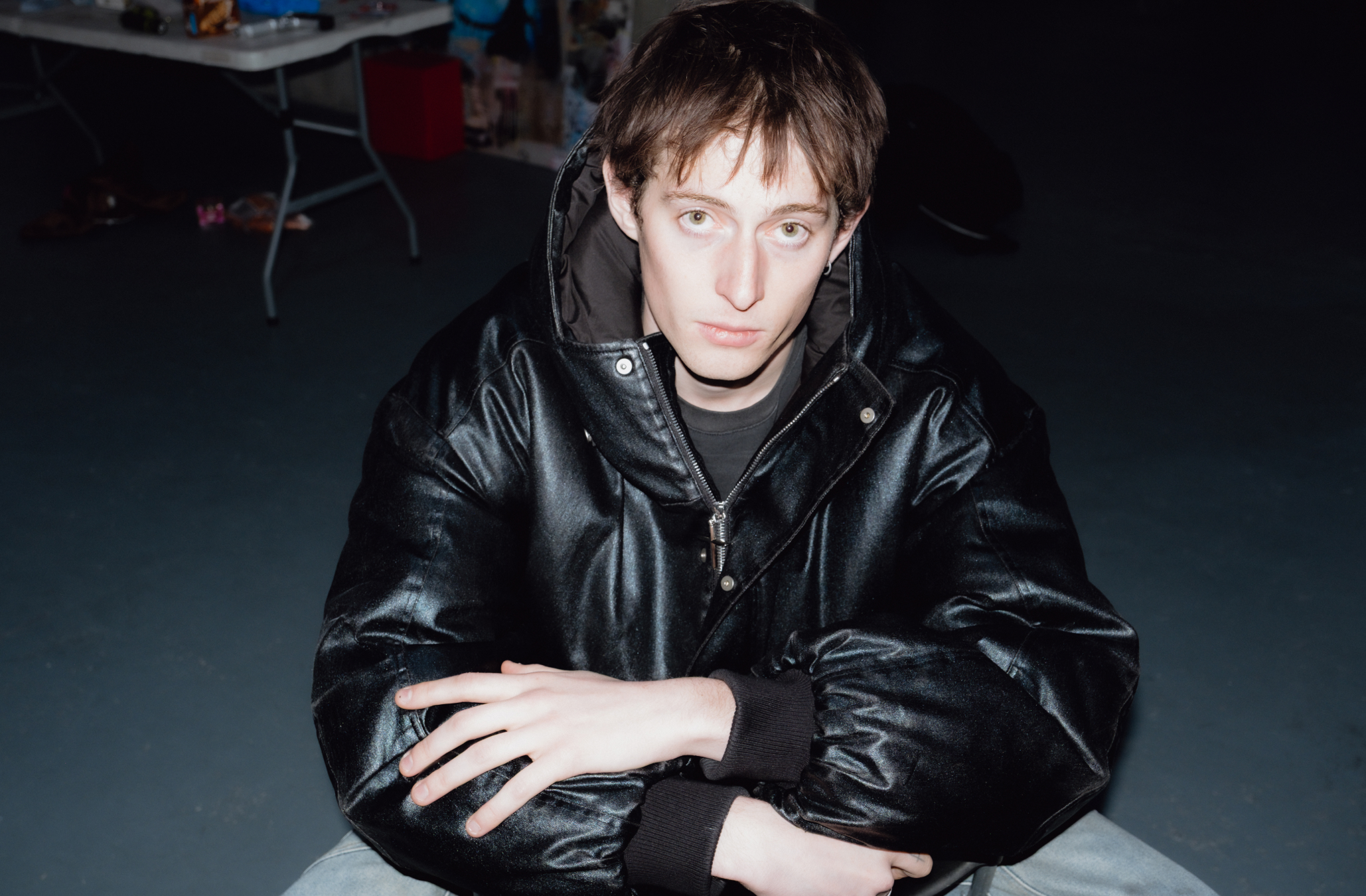
You might have first seen Jack Carden mid-scribble — sketching on a moving bike, or drawing over an open flame — his work often balancing somewhere between impulse and intention. The New Zealand-born artist, who describes himself as a shy, slightly fringe child growing up, now operates at a very different volume. With a rapidly expanding audience across Instagram, Snapchat and TikTok, and tens of millions of views on his work, Carden has become part of a new generation of artists fluent in both performance and platform.
His recent project with Joyous — a company focused on using technology to gather mass data and public opinion and shape real-world decision-making with governments and major organisations through actionable plans — didn’t just travel, it detonated. “Joy”, a hyper-real humanoid figure introduced as if it were a real consumer product, blurred the line between fiction and reality at precisely the right moment.20 What followed was immediate: BBC coverage, conspiracy theories, fear, fascination — and millions of views as the work spiralled across the internet.
But what made Joy so potent was its plausibility. At a time when AI feels both inevitable and poorly understood, the project tapped directly into a collective unease. It wasn’t just watched — it was reacted to.
We meet Carden in London, days after the project’s peak and ahead of his latest exhibition — a physical culmination of something that began as a concept and evolved into a global conversation. What emerges is an artist still interested in the same questions — control, perception, humanity — only now, the audience is far larger, and the stakes feel more real.
You created something that went hugely viral — millions of views, huge reaction. What do you think made it resonate in that way?
I think what was so successful about it was that it felt like a very contemporary piece of performance art that actually did everything you want art to do. It provoked conversation and evoked emotion.
The scale of it is also just a feature of the era we live in. Something can exponentially take off. For the first few weeks it was quite under the radar, but once that first domino fell, there was almost hysteria online — conspiracy theorists, media outlets, people making claims about it.
That just helped it grow. And I think it worked because it’s plausible. It’s the kind of technology that feels imminent. So when people see it and question it, there’s just enough believability to make them react.
Where did the idea come from? Have you always been interested in tech?
I’ve definitely been very involved in tech. As things like ChatGPT and language models became a bigger part of my life, I started noticing how I, and people around me, were building these parasocial relationships with them.
For me, it became almost an existential fear that had been building over the last few years. When I conceived the idea with Joyous — a company that wants to start important conversations — it aligned really well. At that time, humanoid robots weren’t even that mainstream. But within a few months, the technology became more real. By the time we launched, it felt very plausible.
What was it like watching it unfold — both physically and online?
It definitely evolved.
At the beginning, we didn’t even plan to go out in public. It was meant to be more like a fake tech release. But when we went out to film, people reacted immediately — school kids screaming, construction workers filming.
That’s when we realised that was the performance piece. It became much more powerful to have real-life reactions. So we started doing more of that, and then the internet picked it up from there.
It took on a new life. We had to adapt. At first it was just a small team filming, but within a week we needed security because of the reactions. People were shouting, some were aggressive — someone even tried to throw a bottle at us.
It became something much bigger than we expected.
Did it feel like the artwork was continuing online?
Yes, completely.
People had already formed opinions from what they’d seen online, so when they encountered it in real life, those reactions were amplified. No one is indifferent to it. Everyone has a strong opinion — either they want this future or they don’t want it.
Now you’re bringing it into a physical exhibition. How has that evolved?
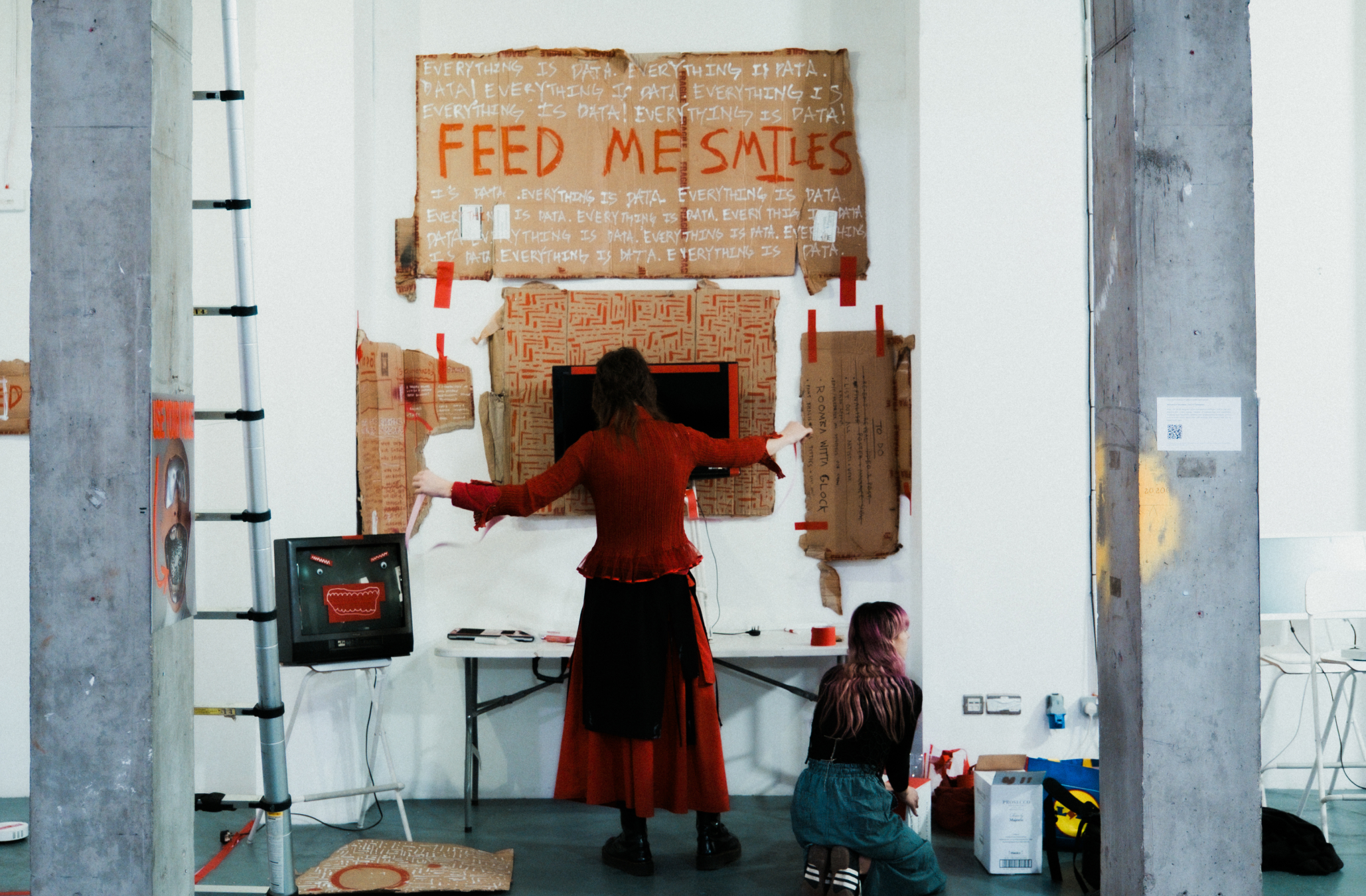
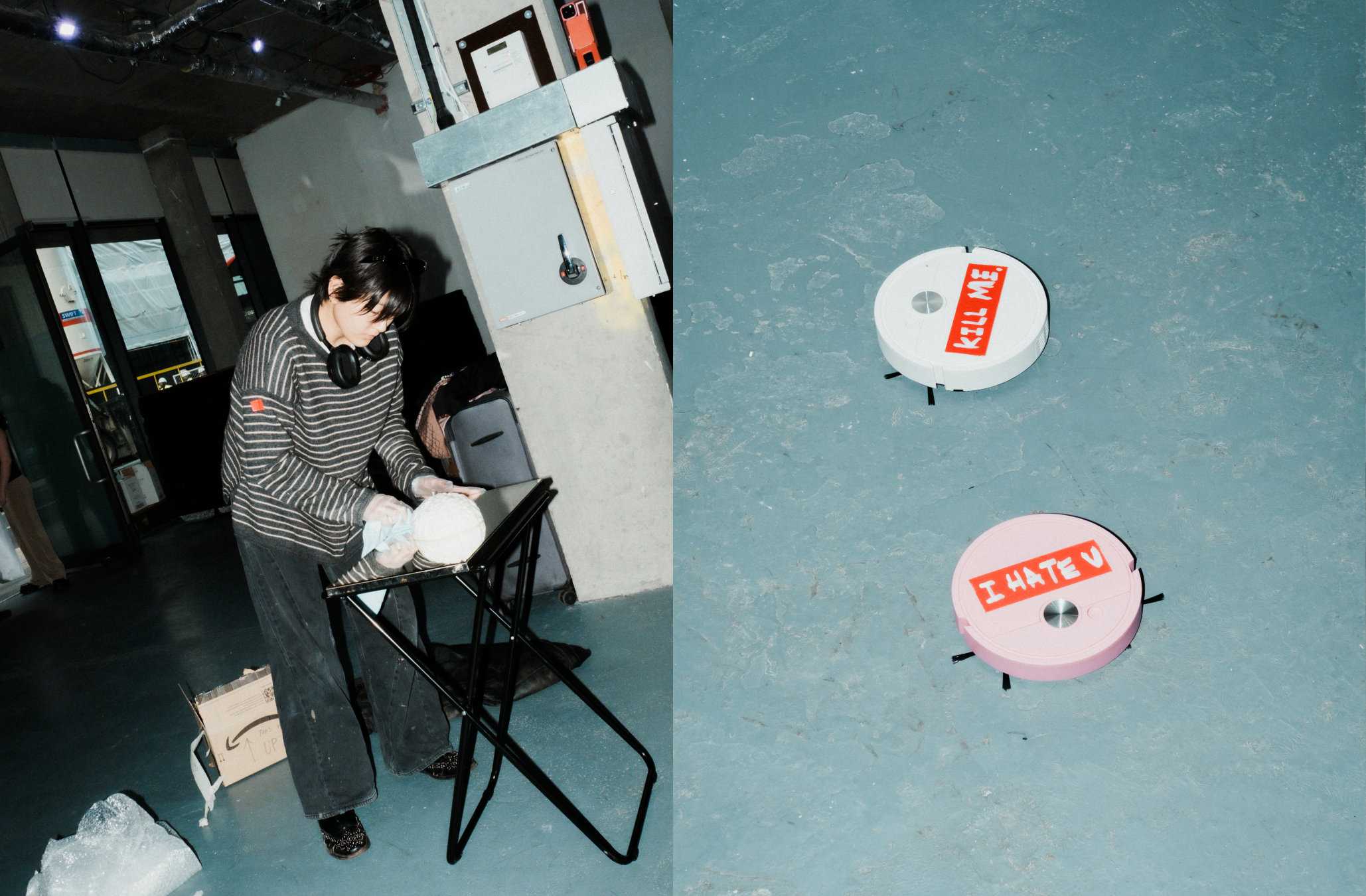
The original plan was more of a contained reveal — something that existed as an art exhibition where we would break the facade.
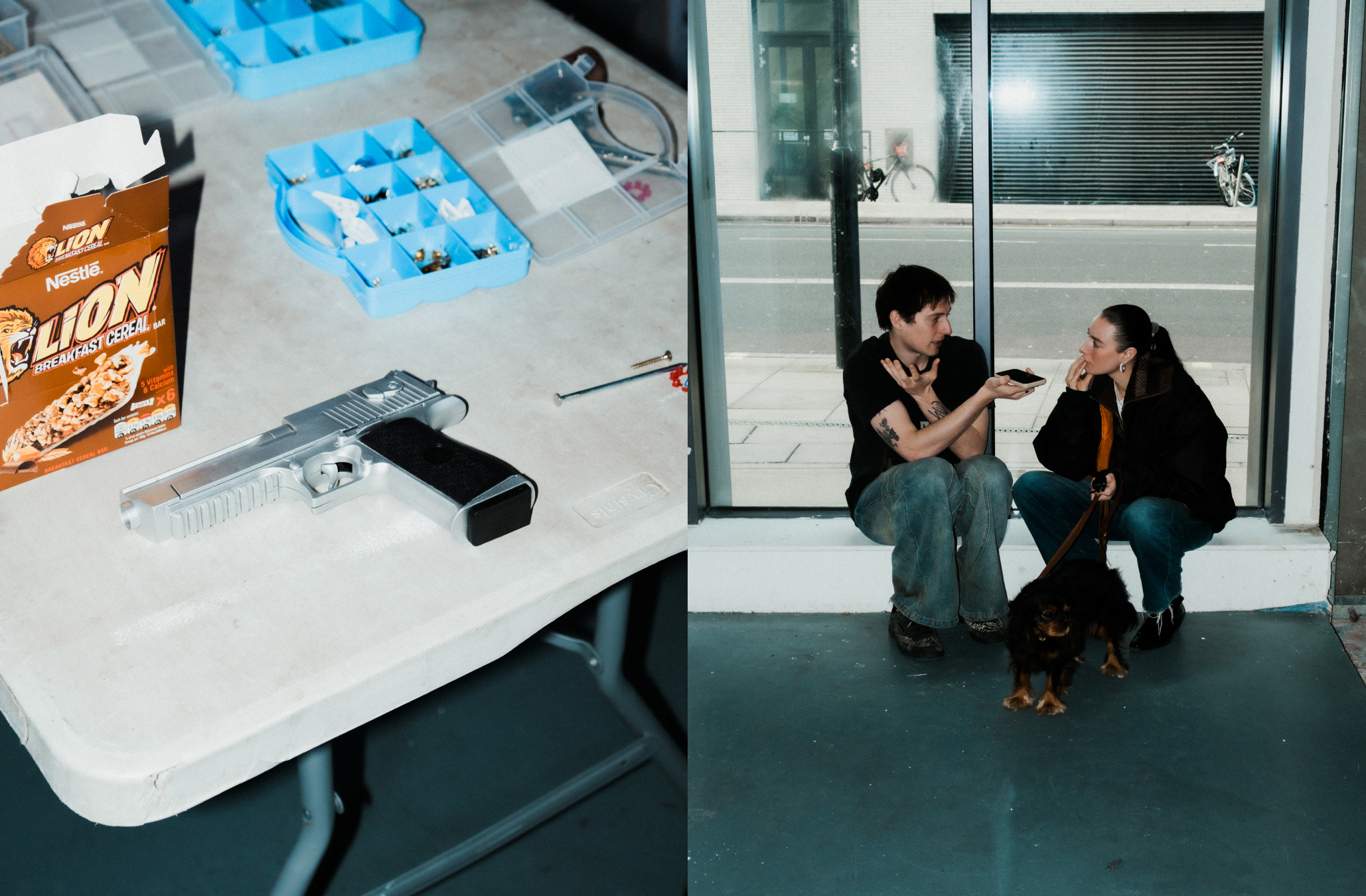
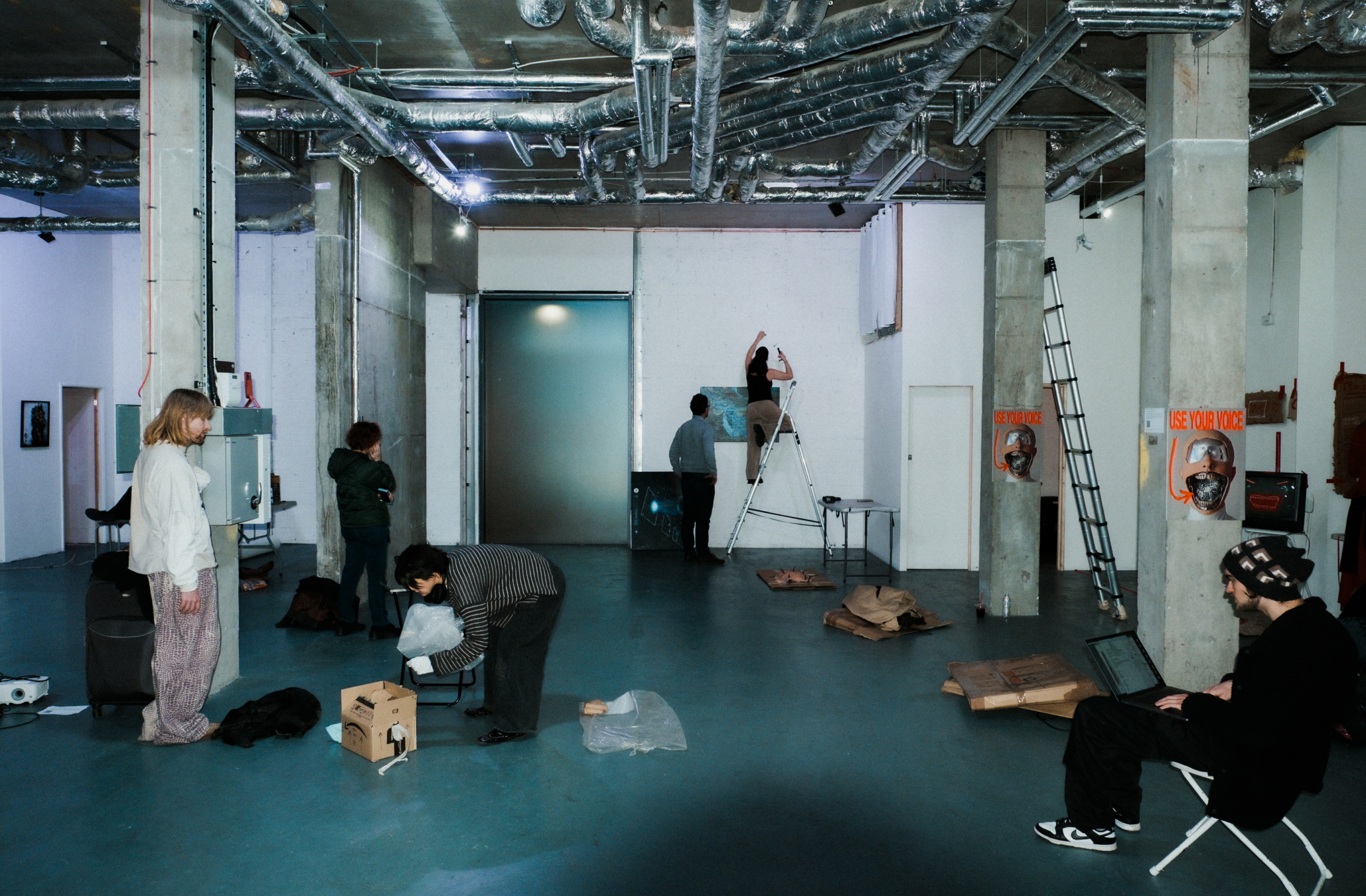
But as it went viral and people started to care more, a lot of artists — friends and also people I hadn’t met — began reaching out, wanting to be involved. It turned into a group show of 19 artists from around the world. We have people who have flown in from New York, from across Europe — Berlin, Spain.
It’s become something much bigger than I originally planned. And also more diverse — there are artists using AI as well, so it’s not necessarily anti-AI. It’s just opening up a conversation about where things are going.
It feels very different from your previous work — more collaborative. How has that shifted your role?
It’s been a big change.
Most of my previous work has been quite individual — something I make myself and then share. This has been much more collaborative. There are actors, working with Joyous, co-writing. It almost feels more like a producer role. It’s not just one person’s work anymore.
And it’s my first project in London as well, which has made it even more significant.
What were you like as a child?
My parents instilled good manners in me — I was well-behaved.But I was quite introverted and a bit on the fringe. I didn’t really have friends for a large part of my childhood. I just didn’t naturally fit into social circles.
It was later, in high school, when I started doing more art and becoming more creative, that I found my people and had a better sense of who I was. Before that, I was just figuring things out — like anyone — just more on my own.
Why move to London?
London, for me, is one of the best places to be because of how connected it is.
You can get to New York, you can get to Europe — everything is accessible. And as an artist, that’s important because opportunities come from everywhere. In New Zealand, it’s very far from everything. It’s a small pond — you can grow there, but there’s a limit to what you can do once you reach a certain point.
It feels like you’re bringing something back into the physical world after it lived online — was that intentional?
At the beginning, it wasn’t even planned to be physical.
But once we saw how people reacted in real life, that became the most important part. The street interactions were more powerful than anything staged. Then the digital side amplified it. And now the exhibition brings it back again into a physical space — but with everything that came with it.
How do you feel you’ve evolved as an artist?
This project has been a big shift because of the scale and the number of people involved. It’s not just an individual work anymore — it’s collaborative, it’s produced, it’s larger. And being in London has changed things as well. It feels like a bigger playground. But at the same time, it still feels like an extension of what I was already doing — just at a different scale.
What do you want this exhibition to achieve?
The goal is to make this conversation more prominent.
We’ve worked with Joyous to build a system where people can share what they want the future to look like, and that can feed into real action. They work with governments and large tech companies, so there is potential for impact.
Ideally, it helps shape the future in some way.
What’s next for you?
I’ve already been working on another performance for three or four years, so I’ll go straight into that. And I think AI will continue to be part of my work. It’s an unavoidable conversation now.
What would your advice be to young artists starting out?
I realised today that I had taken on something I wasn’t fully prepared for. But I think that’s important.
It’s better to do something imperfectly than to over-plan and never do it. It might not be exactly what you imagined, but it will exist. That’s the difference — just doing it.
And dealing with fear, especially online?
It’s a learning curve. No one is really built to be judged at that scale. Even if it’s positive, it can be overwhelming.
You have to be patient with yourself. Your brain isn’t designed for thousands of people reacting to you. I still get anxious posting things. It doesn’t go away. But you become more used to it. And it helps to have some separation between yourself and what you present online. There’s always a degree of persona.